


Août
general
What is an RFID-Blocking Wallet?
Many of our credit cards and passports now contain small chips that hold our personal information. An RFID-blocking wallet is a simple tool designed to protect sensitive data from being stolen wirelessly.
In this guide, we’ll explain how these special wallets work to create a safety protection around your cards. Understanding this technology is a simple and effective way to guard your digital privacy, particularly when you’re traveling.
What Is RFID Technology?
RFID (Radio-Frequency Identification) is the wireless technology behind many of today’s conveniences. It’s what lets you tap your credit card to pay, use a key fob to unlock a door, or have your passport quickly scanned.
While this technology is incredibly useful, it also creates an opportunity for your data to be stolen wirelessly—which is precisely why an RFID-blocking wallet is such an important tool for personal security.
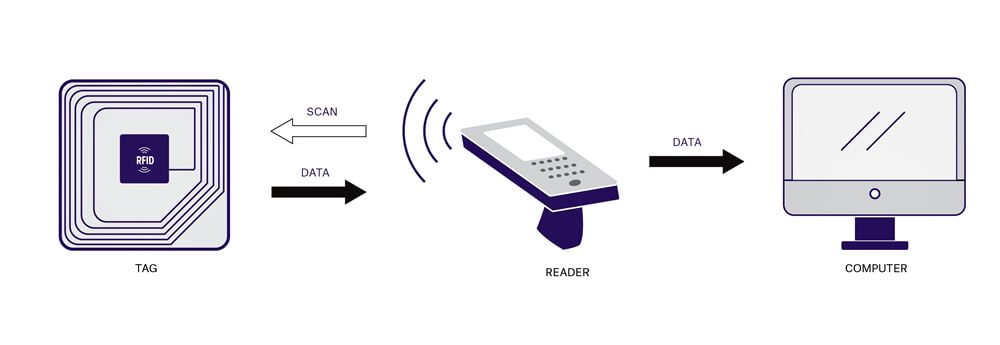
At its core, an RFID system has two main parts:
- A tag: a small chip with an antenna that holds information. These are found in your passports, credit cards, and even some driver’s licenses.
- A reader: a device that sends out a signal to scan the tag and receive its information. The payment terminal at a supermarket is a common example of a reader.
The tags in your passport and cards are typically passive, as they don’t have a battery or internal power source. They only “wake up” and transmit their data when they receive energy from a nearby RFID reader. Their range is very short, usually just a few inches.
There are also active tags, which have their own battery. These are used for things that need to be tracked over long distances, like shipping containers or inventory in a large warehouse. They aren’t what you’ll find in your wallet.
Here’s how a simple transaction works:
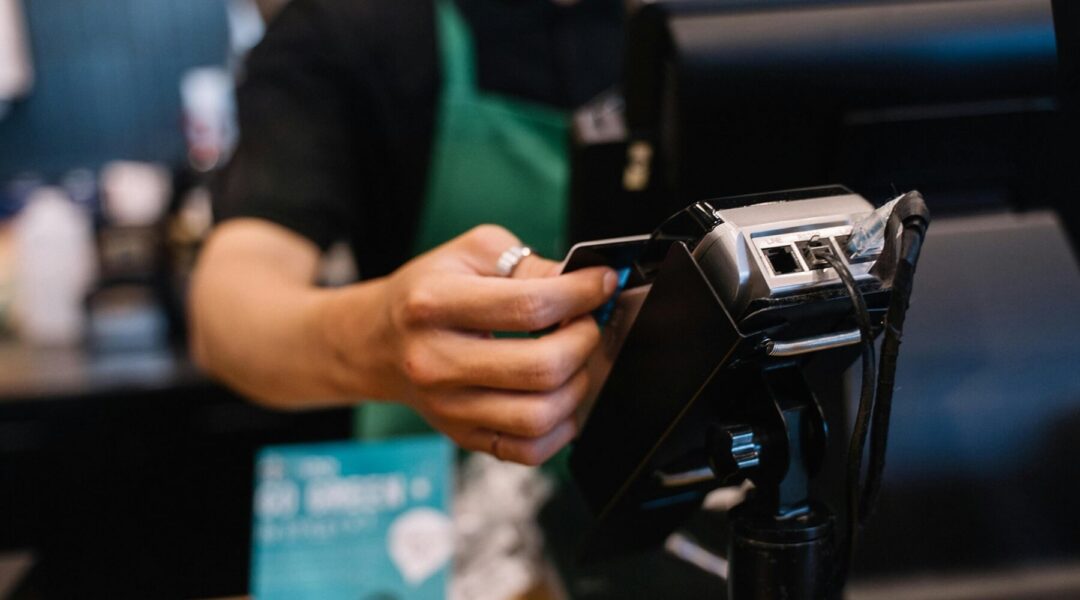
When you hold your card near a payment terminal, the reader sends out a radio signal. This signal provides just enough energy to power up the passive RFID chip in your card. Once awake, the chip sends its stored information, like your card number, back to the reader to complete the payment.
The security risk is that your cards can be secretly scanned from a distance, allowing someone to copy your personal information without you ever knowing. This potential for unauthorized scanning is exactly why an RFID-blocking wallet is such an important security tool.
How an RFID-Blocking Wallet Protects You
Now that we understand the risk of unauthorized scanning, let’s talk about the solution. Thankfully, protecting our data from these unwanted scans is simple.
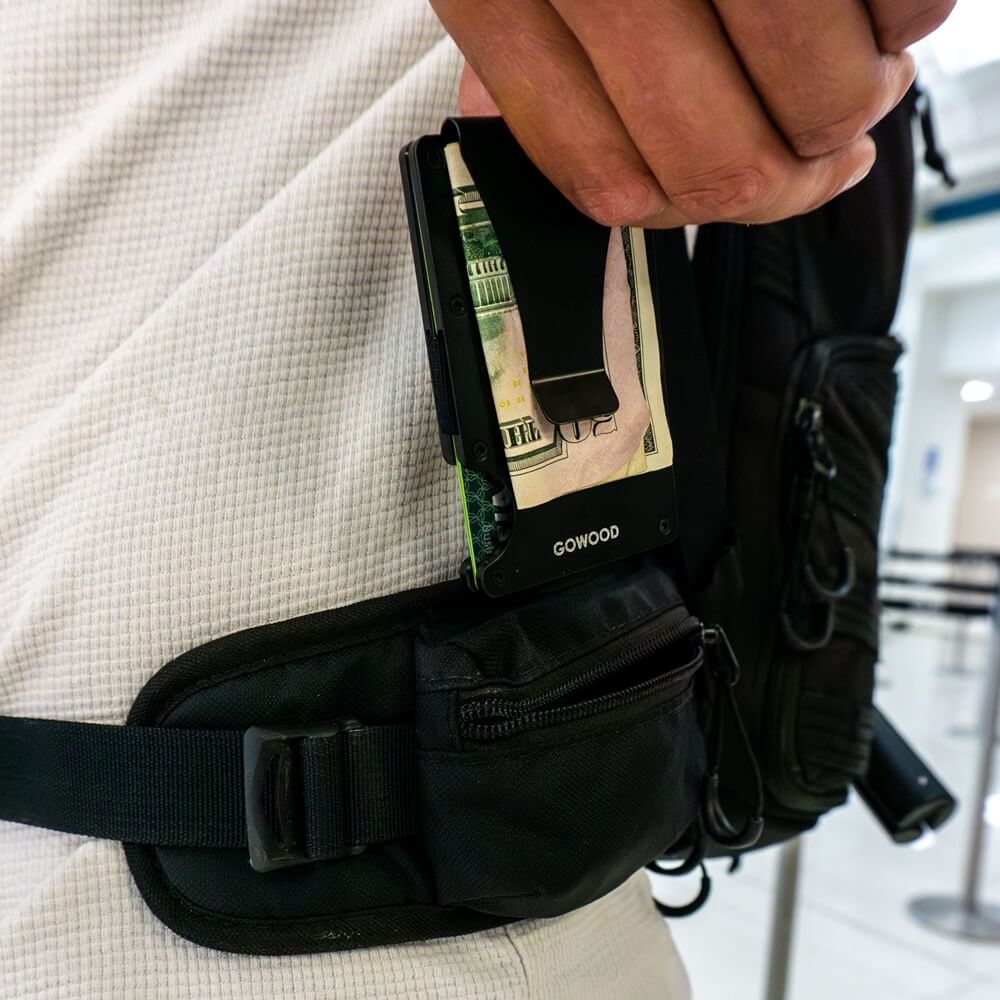
This is where an RFID-blocking wallet comes in! These special wallets are lined with materials like carbon fiber or aluminum, which are specifically chosen because they interfere with radio waves.
This lining acts like a digital barrier for your cards, specifically engineered to block the electromagnetic energy that scanners rely on. When a scanner tries to read your cards, the wallet’s lining prevents that signal from ever reaching the RFID chip.
Since the chip never receives the signal, it can’t power on and transmit your private data. Your information stays safely inside your RFID wallet, completely invisible to any nearby scanners.
Will My RFID Cards Get Damaged? [A Common Myth]

If you’ve ever had a hotel key card or an old credit card stop working, you know the frustration of a wiped magnetic stripe. Those cards store information on that black strip, which can be easily erased by everyday magnets, like the ones on a purse clasp or phone case.
This might make you wonder if your new tap-to-pay cards face the same risk.
The simple answer is no! RFID cards work in a completely different way. Instead of a magnetic stripe, they use an embedded chip and an antenna to communicate with radio waves. Since there’s no magnetism involved, your cards can’t be “demagnetized” or wiped by a magnet.
This also means that your cards are perfectly safe inside an RFID-blocking wallet. The materials that block scanning signals won’t harm your cards in any way.
RFID Wallet vs. Traditional One
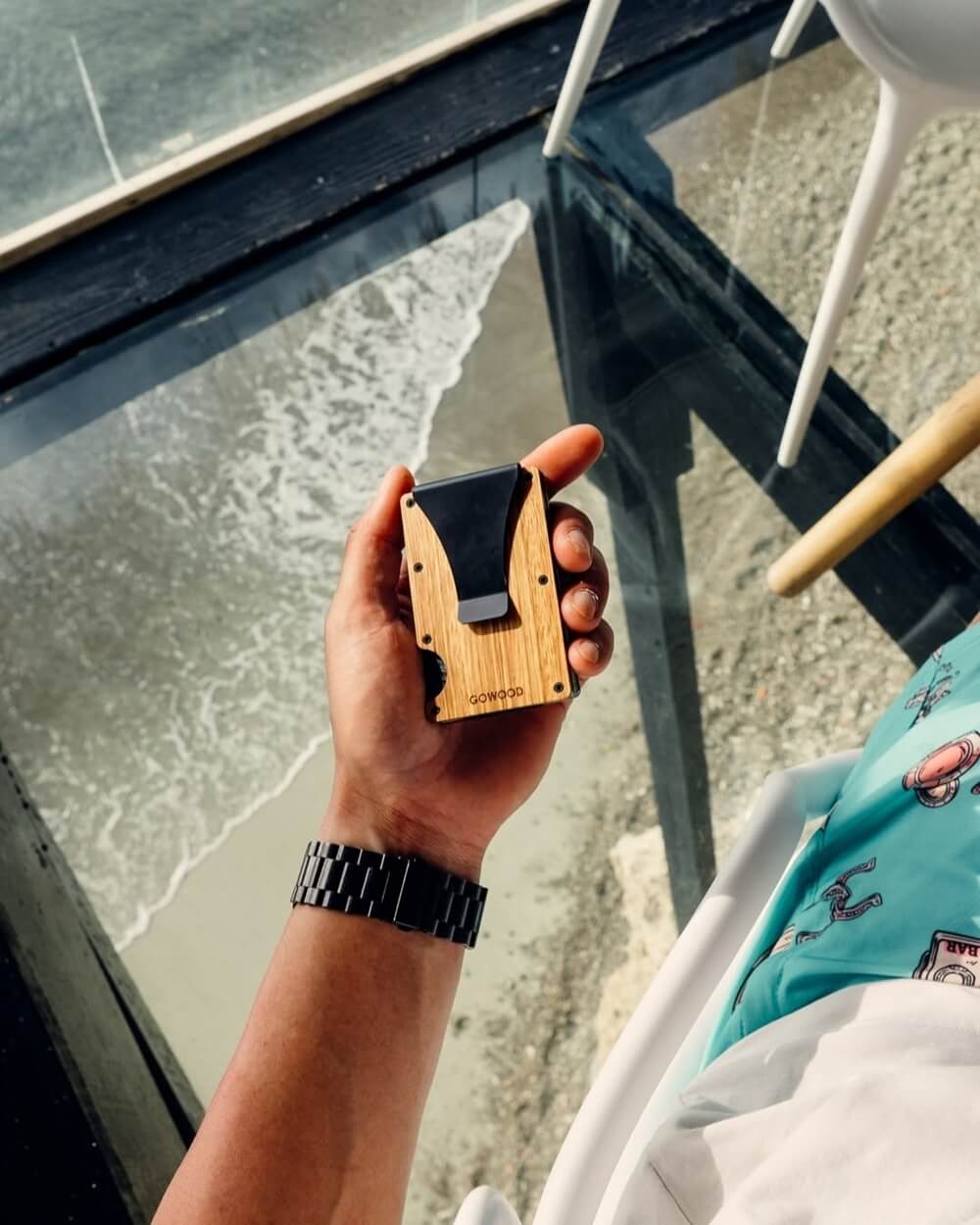
On the surface, an RFID-blocking wallet and a traditional wallet look like they’re the same. Both hold your cash and cards, but the key difference, however, lies in the invisible security they provide.
A traditional wallet, whether it’s made of leather or fabric, offers no defense against digital skimming. It’s simply a container. An RFID-blocking wallet, on the other hand, is an active security tool. It’s crafted with integrated layers of signal-blocking materials that create a protective shield around your cards.
You might assume this advanced technology comes with a hefty price tag, but that’s often not the case. GOWOOD RFID-blocking wallets are priced similarly to premium traditional wallets, making the upgrade to digital security an easy and affordable choice.
So, Do RFID-Blocking Wallets Actually Work?
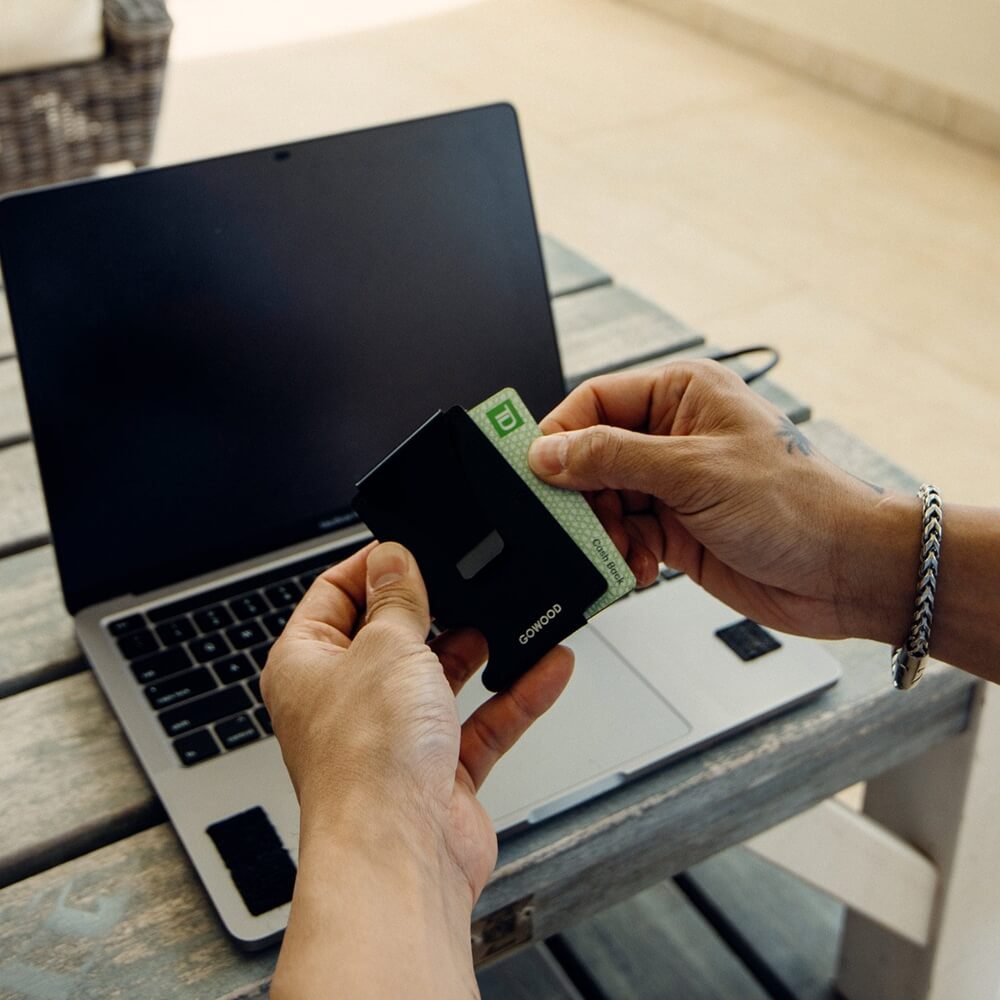
The short answer is yes, they absolutely do.
As we mentioned, the materials used in a high-quality RFID-blocking wallet are specifically engineered to create what is essentially a personal Faraday cage for your cards. When tested, these wallets effectively stop the high-frequency signals that RFID readers use to access your information.
But the real value isn’t just the technology—it’s the peace of mind you get from knowing your information is secure. Whether you’re navigating a busy airport, using public transit, or just going about your day, you don’t have to worry about your sensitive data being silently skimmed from your pocket.
It’s a simple, reliable, and passive layer of security that works every time you close your RFID-blocking wallet.
Is an RFID Wallet Right for You?

Ultimately, the decision comes down to your personal comfort level with risk. While the chances of your information being scanned on any given day might be low, the reality is that the technology to do so is out there.
Think about your daily routine. If you frequently travel through busy airports, use public transportation, or simply carry multiple contactless cards, your risk is naturally higher. In these cases, an RFID-blocking wallet is an essential tool for protecting your data.
Even for everyday use, the threat isn’t zero. From paying for coffee to tapping your ID at an office door, opportunities for skimming exist. Protecting your cards offers a simple and effective way to remove that small but persistent worry.
If you value your privacy and prefer to be proactive about security, then the answer is a clear yes.
Ready to try and add that layer of security?
GOWOOD offers a collection of stylish metal and wood wallets, as well as minimalist cardholders. Designed to hold up to 15 cards, every wallet in our collection is built with powerful RFID-blocking technology to keep your information safe and secure.

 English