


Jul
general
Is It True You Can Get Sunburned Eyes?
The sun’s rays can find you on a bright, clear morning just as easily as on a hazy, overcast day. While most of us are good about protecting our skin with sunscreen, it’s easy to forget our eyes need care and protection, too.
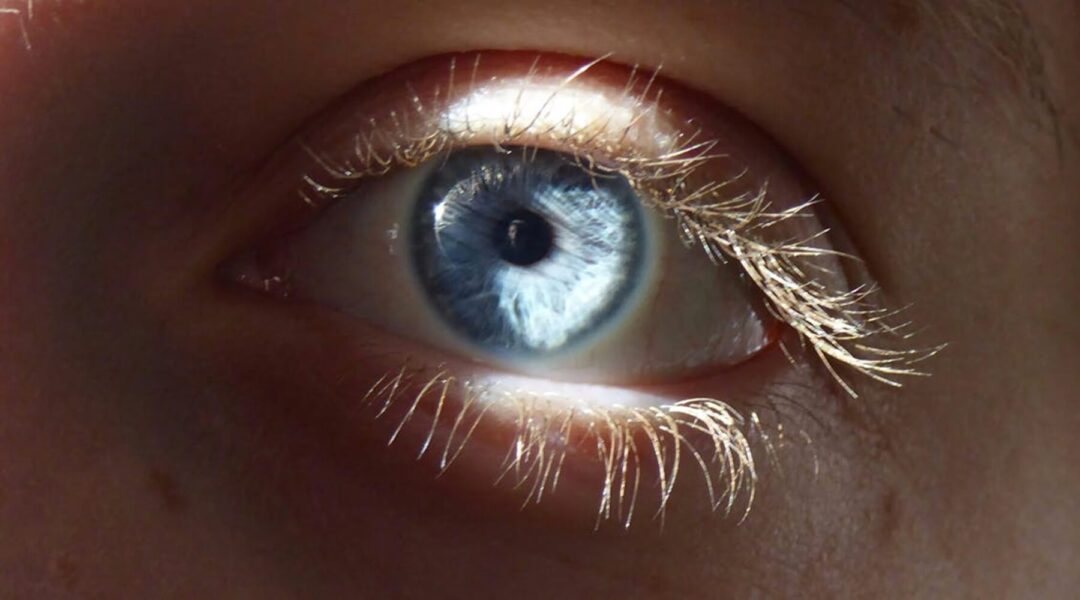
It might be surprising to learn you can get sunburned eyes, because this isn’t a problem we typically associate with anything but our skin. Too much sun can cause a painful case of sunburned eyes with effects ranging from intense, short-term irritation to permanent damage that can impact how well you see.
Is It Really Possible to Get Sunburned Eyes?

Yes, you can absolutely get sunburned eyes. Medically, this painful condition is called photokeratitis.
It happens when UV rays give your cornea (the clear surface at the front of your eye) a painful sunburn. When the cornea is exposed to too much ultraviolet (UV) radiation, it can become inflamed and irritated. This usually happens after spending hours in the sun without proper eye protection, like high-quality sunglasses or goggles. It can also be caused by intense artificial light from sources like welding torches or tanning beds.
The risk of getting sunburned eyes increases dramatically in environments where UV rays are reflected. Your eyes are more likely to get sunburned when you’re around snow, water, or sand. These reflective surfaces bounce sunlight back up at you, so your eyes get hit with UV rays from both the sky and the ground. Being at a high altitude also increases your risk, as the sun’s rays are stronger there.
For mild to moderate sunburned eyes, the symptoms are similar to severe dry eye, except they strike without warning and with much greater discomfort.
The Symptoms

You’ll usually feel the effects of sunburned eyes quite quickly. Because the eye is so good at telling us when something is wrong, the discomfort can be significant.
Common symptoms include:
- Soreness, pain, or irritation
- Headaches
- A gritty feeling, like sand is in your eye
- Blurred vision
- Twitching eyelids
- Swelling and redness
- Extreme sensitivity to light
- Watery eyes (your body’s natural response to soothe the burn)
Your eyes are incredibly sensitive, which is why photokeratitis feels so uncomfortable. The cornea has an incredibly high concentration of nerve endings, making it one of the most sensitive parts of your body—it’s how you can instantly feel something as small as a single eyelash or speck of dust.
For immediate relief, ophthalmologists suggest a few simple steps. You can use preservative-free artificial tears frequently throughout the day (about 5 to 10 times) to keep your eyes lubricated. If you’re in a lot of pain, an over-the-counter pain reliever like ibuprofen can help manage the discomfort. A cool, damp cloth placed over your closed eyelids can also provide soothing, temporary relief.
If the pain doesn’t start to improve after a day or two, it’s important to see an eye doctor.
What are the long-term risks?
In severe cases, untreated sunburned eyes can cause infections, scarring on the cornea, and even permanent vision loss.
Beyond a single painful episode, repeated UV exposure over the years can contribute to serious eye conditions later in life. This includes a higher risk for developing macular degeneration and cataracts, as well as growths on the eye like pterygium or pinguecula (often seen as pinkish or white-colored tissue on the white of the eye).
Do Cloudy Days Still Pose a Risk for Sunburned Eyes?

Absolutely! Wearing sunglasses on a cloudy day is just as important as on a sunny one. It’s a common misconception, but clouds don’t block all of the sun’s harmful UV rays. This means your eyes are still exposed, and you can get a painful case of sunburned eyes even when the sun isn’t shining brightly.
Surprisingly, your eyes can be at even greater risk in the early morning and late afternoon. When the sun is lower in the sky, its rays hit your eyes more directly, increasing your UV exposure.
Don’t forget about reflections, either. As we mentioned, the glare from surfaces like water, sand, and especially snow bounces UV rays directly into your eyes from below, which is precisely why the reflective power of snow makes winter eye protection so important. We cover this in much greater detail in our complete guide, Do We Really Need Polarized Sunglasses in Winter? Be sure to give it a read if you spend time outdoors during the colder months.
Finally, remember that the higher the altitude, the stronger the UV radiation, making eye protection even more essential.
How to Prevent Your Eyes from Getting Sunburned

Thankfully, you can easily prevent sunburned eyes by creating a physical barrier between them and the sun. This means consistently wearing protective eyewear like polarized sunglasses, protecting your face with a wide-brimmed hat, and even using UV-blocking contact lenses. Pairing these habits with staying in the shade whenever possible during the sun’s peak hours (10 a.m. to 4 p.m.) gives your eyes the most complete protection.
When it comes to sunglasses, it’s essential to understand that not all pairs offer the same level of safety. While style is important, your top priority should always be protection. Look for sunglasses with a label that guarantees 100% UVA and UVB protection (often listed as UV400), as this is your proof that the lenses are blocking all harmful radiation.
The size and shape of the frames also make a big difference. Larger lenses and wraparound styles offer more coverage, protecting the delicate skin around your eyes and blocking light from sneaking in from the sides.
Finally, think about your lifestyle when choosing a pair! The GOWOOD team can help you find the perfect sunglasses customized for your needs [Contact the GOWOOD Team]. For instance, polarized lenses are excellent for activities around water or snow because they cut down on intense glare.
Different tints can enhance contrast for specific sports, while transition lenses that automatically darken in the sun can be a convenient choice for everyday wear. Having the right pair for the right activity is the best way to keep your eyes safe and comfortable.

Every pair of GOWOOD sunglasses offers guaranteed UV400 protection, so you can focus on finding the perfect look to keep your eyes safe all summer long.
Explore our collection to see what style suits you best!

 Français