



Oct
general
Why Wear Sunglasses in Autumn? 5 Key Reasons
It might surprise you, but the autumn sun can actually be more damaging to your eyes than the summer sun. With the end of summer’s heat and the arrival of cooler temperatures, you might think it’s time to pack away your wooden sunglasses along with your swimsuit.
However, the sun might not feel as warm during autumn days, but it still sends out harmful UV rays all year long. This makes wearing sunglasses in autumn just as important as in any other season.
Here are 5 important reasons why you should always put on a pair of sunglasses before stepping outside, no matter what time of year it is.
Reason 1: Sunglasses in Autumn Offer UV Protection

Ultraviolet, or UV, light is a kind of radiation from the sun, and it comes in UVA, UVB, and UVC rays. These three types of rays have different strengths and travel in distinct ways, affecting how they interact with their surroundings.
Just like our skin, the surface of our eyes, along with our corneas and lenses, can get sunburned. But long-term exposure to UV rays can cause even more serious problems. This includes cataract conditions, where your eye’s lens slowly gets cloudy, causing blurry vision. Another risk is macular degeneration, which can cause you to lose your central vision.
Cloudy Days Still Mean UV…
While UV rays are strongest in spring and summer, they can still burn your skin and harm your eyes all year long, even on cloudy days! That’s why it’s so important to wear UV-protective sunglasses in autumn and winter.
All GOWOOD sunglasses feature polarized, CE CAT3 lenses, meaning they offer UV400 protection to give your eyes the best UV defense possible. Take our Los Angeles model, a bestseller for over ten years, for example. It combines the classic wayfarer style with natural materials.
You can pick from 20 different versions, featuring arms made from walnut, bamboo, ebony, or zebra wood, paired with acetate fronts in colors like matte black, tortoise, clear, or green crystal. These sunglasses in autumn also make your eyes more comfortable and reduce strain, making them ideal for extended time spent outdoors.
Reason 2: The Sun’s Lower Position in Autumn

During autumn, the sun drops to a lower position, sitting closer to the horizon. This specific angle allows damaging UV rays a more direct line straight into your eyes.
As mentioned previously, even if the sun might not seem as strong as it does in summer, its lower position actually results in increased UV exposure.
Wearing sunglasses in autumn, which block UV rays, can help filter out these harmful rays and keep your eyes safe from damage.
Reason 3: Protection from Autumn Winds and Debris

Strong winds in autumn can easily stir up dust, small bits of trash, and pollution. These tiny particles can hurt your sensitive eyes and might even cause dry eye problems.
Wearing sunglasses in autumn acts like a shield, keeping your eyes safe from all these irritating things and allergens that float around in the air during this time of year.
Reason 4: Cooler Temperatures Affect Your Eyes Too
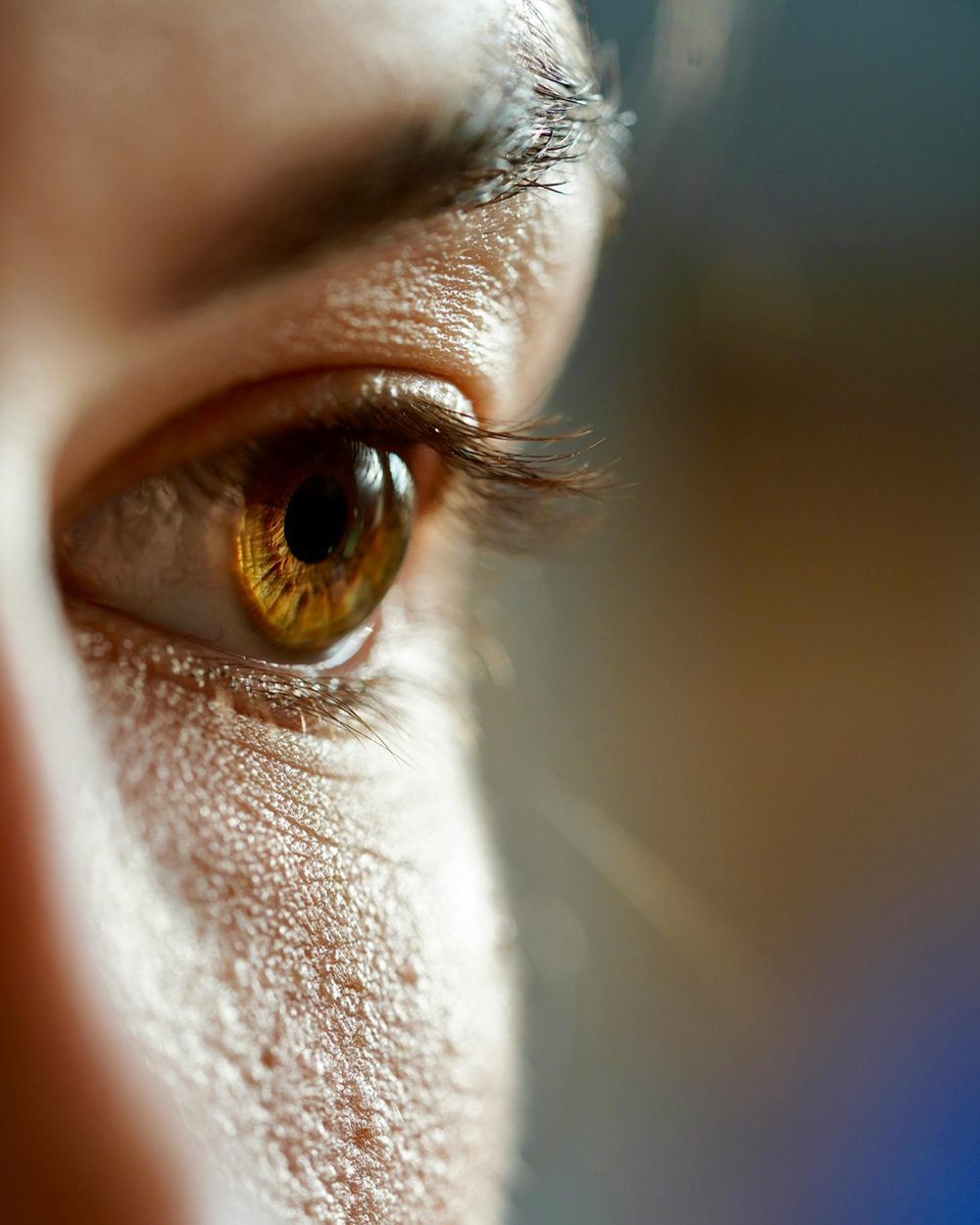
Following the blustery autumn winds, the drop in temperature also brings its own challenges. The chilly air itself, along with those harsh winds, can really bother your eyes.
When the temperature drops, the oil in your tear film thickens. This change disrupts how well your tears can nourish and protect your eyes. Many times, this causes red, dry, and watery eyes, all common signs of dry eye syndrome. This is why sunglasses in autumn become a must-have accessory.
Reason 5: Sunglasses Prevent Snow Blindness

Many of us look forward to hitting the slopes with our skis and snowboards during the colder months. But did you know that sunglasses in autumn and winter are just as vital in snowy mountains as they are on sunny beaches?
Snow blindness, also known as “Photokeratitis”, happens when your eyes get burned by UV rays reflecting off snow, water, or even sand. This can cause a painful feeling, like having sand in your eyes, make you sensitive to light, and even lead to temporary blindness.
Snow is a highly reflective surface, which effectively doubles the amount of UV light your eyes are exposed to. Since this reflected light isn’t visible, you might not notice its damaging effects until several hours after being outdoors. Snow actually reflects up to 80% of the sun’s ultraviolet rays. This means that in snowy places, your eyes are hit by UV rays directly from the sun, plus additional rays bouncing off the snow, essentially doubling your total exposure.
Polarized sunglasses lenses are also essential for these kinds of bright, reflective conditions. When light hits a shiny surface such as snow, it becomes polarized, meaning it reflects back as harsh horizontal lines known as glare. This is where polarized lenses become especially useful, as they are designed to effectively reduce this glare.
Final Thoughts
When you head out for your next autumn adventure, always remember to have a pair of polarized, UV-protective sunglasses with you. This ensures your eyes stay safe, because even in cold, cloudy conditions, they are still at risk of damage.
We invite you to explore the GOWOOD collection of polarized wooden sunglasses, here. And if you enjoy learning about these kinds of topics, be sure to sign up for our newsletter for monthly insights and tips!

 Français